Pairing AI’s Power with Human Values
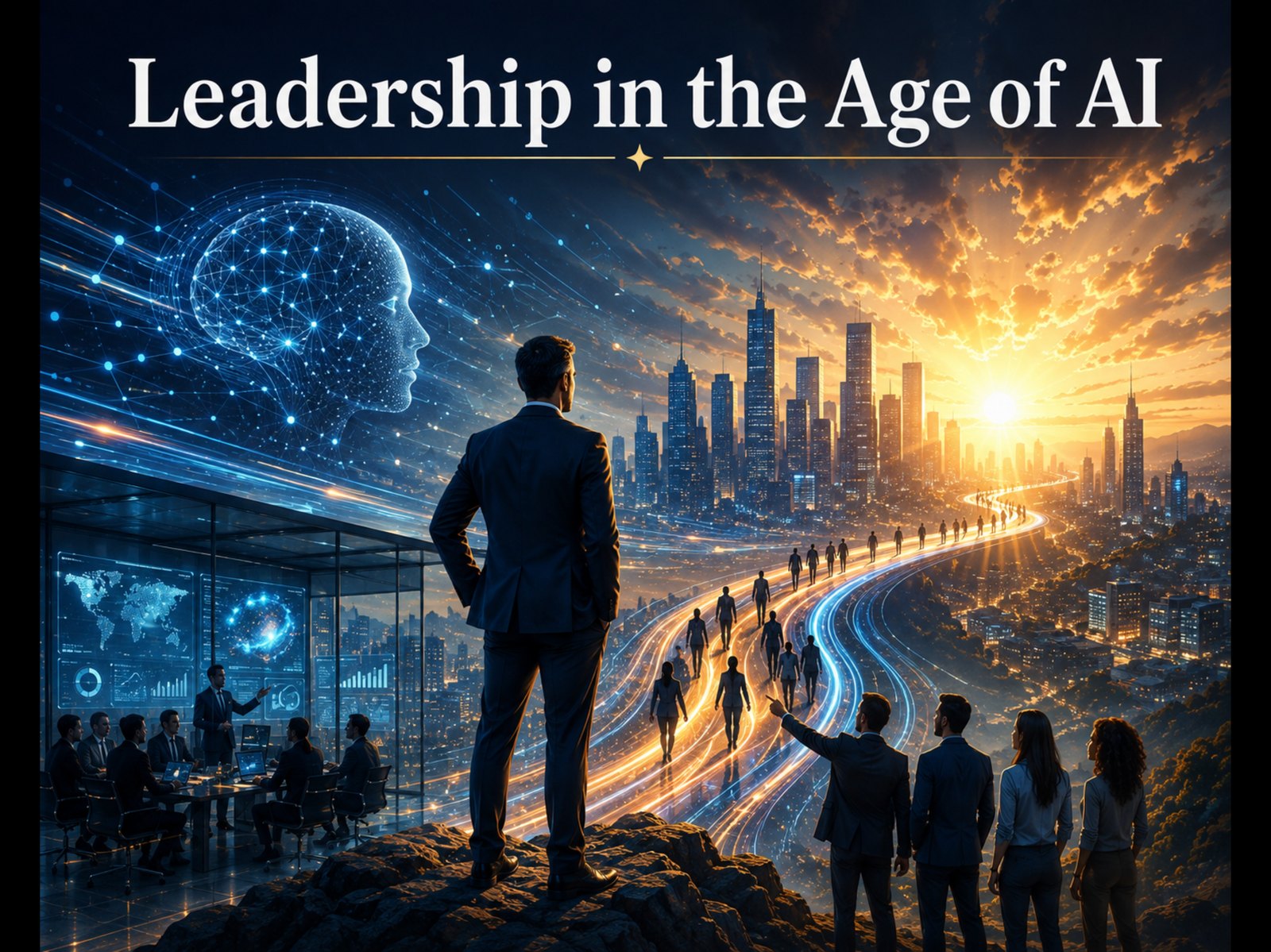
Throughout my career, I have seen technology transform industries and societies—from the launch of the iPhone to the expansion of broadband and mobile networks across the Americas to the global growth of the Internet of Things. Each breakthrough reshaped how we connect, communicate, and compete. Yet the important lesson has been this: technology succeeds only when it solves a real problem and is guided by human judgment and values.
Artificial intelligence is now reshaping our world more profoundly than any technology before it. AI will grow more capable, pervasive, and integrated into our businesses. The challenge for leaders is not to resist but to work with it. Doing so requires leaders to build teams and create values-based cultures that inspire people and drive customer-focused innovation.
Leadership means making decisions when outcomes are uncertain. Entering new markets or launching transformative products has always required conviction as much as calculation. Progress depends on leaders with the courage to act in the face of ambiguity and risk.
Trust is the foundation of leadership and the currency of effective organizations. Customers choose companies they trust; employees follow leaders they trust. Trust is built through credibility, consistency, and character. Maintaining trust ensures that progress is sustainable in a world where technology can scale faster than ever.
AI can optimize almost anything, but integrity ensures we optimize for the right things. Leaders must balance innovation with privacy, profit with fairness, and growth with long-term trust. Integrity is what keeps technology aligned with purpose.
No leader can outsource accountability to an algorithm. Responsibility means owning the consequences of how AI is deployed, standing behind decisions that shape lives, and ensuring we use technology to strengthen—not weaken—society.
The more powerful AI becomes, the more leaders need humility. Humility is the discipline to listen, adapt, and recognize that wisdom comes from dialogue and reflection, not from data alone.
One of my greatest business lessons is that success is never an individual achievement. Business is a team sport. Great leaders build teams that share a common purpose, operate with mutual trust, and hold themselves accountable to each other. Teams with these qualities move faster, innovate more effectively, and deliver better customer outcomes. Just as important, leaders must inspire team members to learn continuously. In an era when AI is reshaping every role, the willingness to learn, adapt, and reinvent keeps individuals and organizations relevant.
AI may accelerate insights, but only strong teams—grounded in trust and driven by a commitment to serving customers—can turn those insights into lasting impact.
Every technological revolution I have witnessed succeeded not because of the technology itself, but because it solved a human need at scale. Artificial intelligence will be no different. Its promise lies not in the sophistication of its algorithms, but in how it helps people and organizations solve problems that matter—globally, and at scale.
The future will belong to leaders who combine AI's power with distinctly human values: courage, trust, integrity, responsibility, humility, and the ability to build teams that learn and grow together. These are the enduring human qualities that will define leadership in the age of AI.
Ralph de la Vega is the former Vice Chairman of AT&T Inc. He is the author of the best-selling book Obstacles Welcome: Turn Adversity to Advantage in Business and Life. He is also a LinkedIn Influencer, posting regularly on leadership and innovation. This article originally appeared in Latino Leaders Magazine (July/August 2025).
